Single-Cell Learning
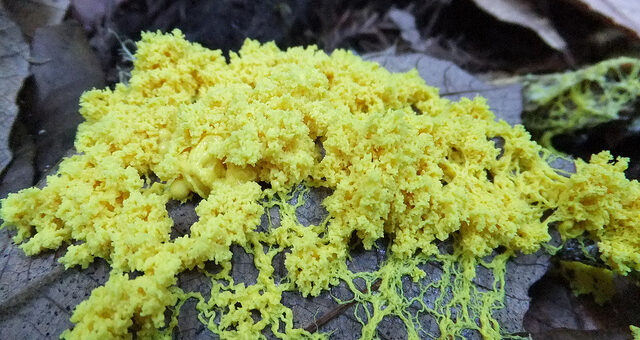
Slime mold may not have a nervous system – but it is the first single-cell organism to show an ability to learn, demonstrating a simple type of learning called habituation.

Slime mold may not have a nervous system – but it is the first single-cell organism to show an ability to learn, demonstrating a simple type of learning called habituation.
In January the UK Royal Society for Public Health proposed a new labelling system that would show images with information on how much exercise you would need to burn off the calories contained within food products.

Touching a robot’s bottom triggers an unconscious emotional reaction – suggesting we respond to humanoid robots as if they are people, not computers.
The invisible threat – Ines Vollmer investigates overlooked infectious diseases that should worry you.
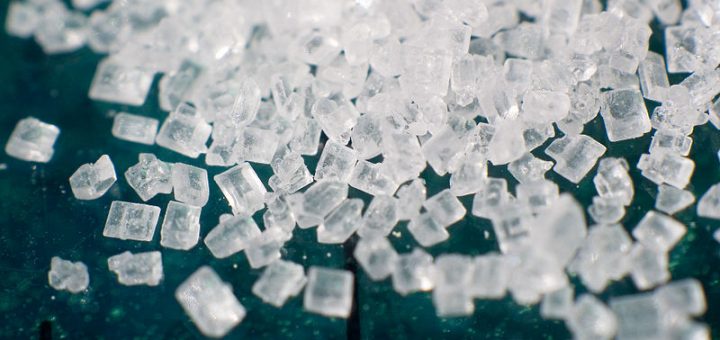
Last month, Chancellor George Osborne outlined the government’s economic plans in the 2016 Budget. This included the surprise introduction of a national sugar levy on soft drinks to combat childhood obesity. But will it work? In this article, Jiska van der Reest reviews the science behind the legislation and its promise for public health.

By arguing for Integral Fast Reactors, John Lindberg explores the lesser-known sibling of conventional nuclear power and its immense potential – if we decide to challenge the status quo.
Pint of Science 2019: The Art of Science
June 21, 2019
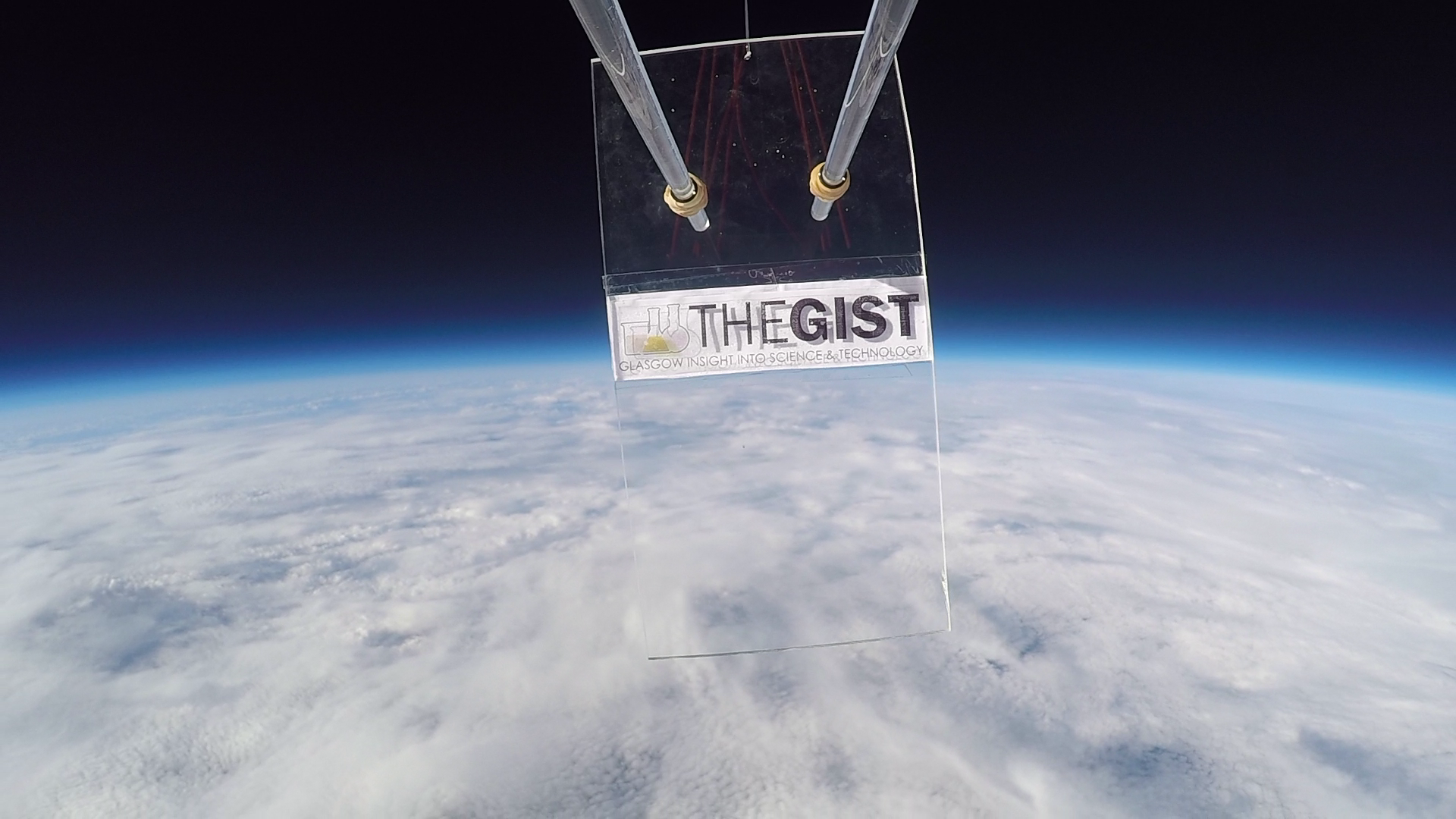
Stratonauts Launch theGIST To New Heights… We Went To Space!
March 22, 2019

Press Pause to Begin – TEDx University of Glasgow 2018
April 12, 2018
More