Category: Physical Sciences
Spectroscopy is the study of the interaction of light with matter. Different molecules interact with light in various different ways according to their characteristic functional groups. For example, the infrared spectrum of a molecule...
Last year saw the rise of turbo-ecstasy, pills of various guises, which were adulterated with PMA or PMMA . Whilst these compounds are related to MDMA (the active ingredient in ecstasy) they have the...
A bug present for two years in a significant fraction of the web’s servers has potentially exposed sensitive information to everyone and anyone. On April 8th 2014, news started to spread that a critical...
The proton is a particle composed of two u quarks and one d quark, which makes it a hadron – a particle composed of quarks bound by the strong interaction (which is mediated by...
One of the great under-appreciated stories of our growth in knowledge as a species is that of our development, in modern history, of a standardised mathematical language of measurement: the International System of Units,...
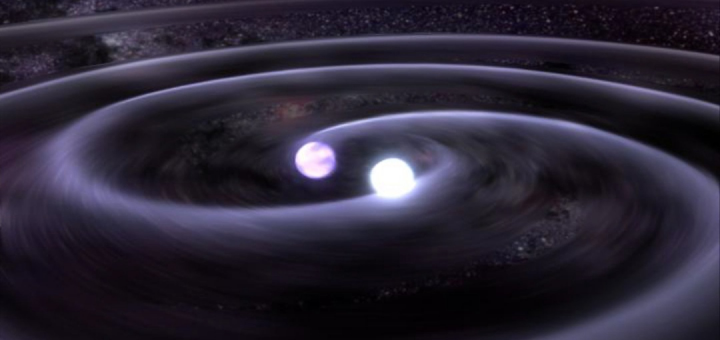
Recently, scientists have made a huge leap in finding new evidence supporting the Big Bang model. The idea behind it is that all the matter in our observable Universe originates from an explosion that...
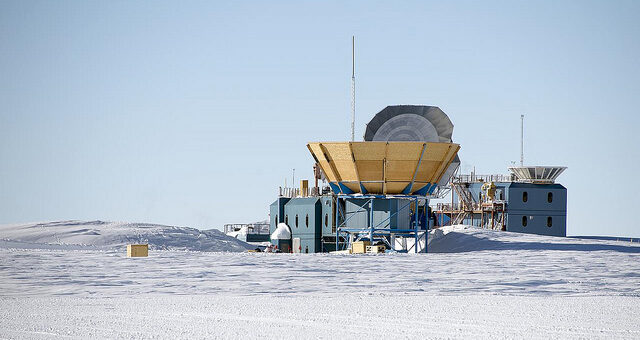
On March 17th 2014, a press conference was called at Harvard University. Rumours flourished briefly, and then an announcement was made to great excitement. The BICEP2 experiment had detected B-mode polarisation in the cosmic...
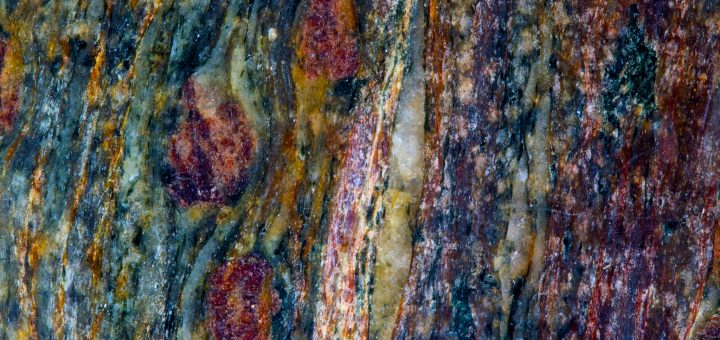
The cliché response to any mention of geology in everyday conversation is, “Rocks and stuff right? Boring!” Unfortunately and unjustly, this is the prejudice and barrier that Professor Iain Stewart must combat constantly as...